
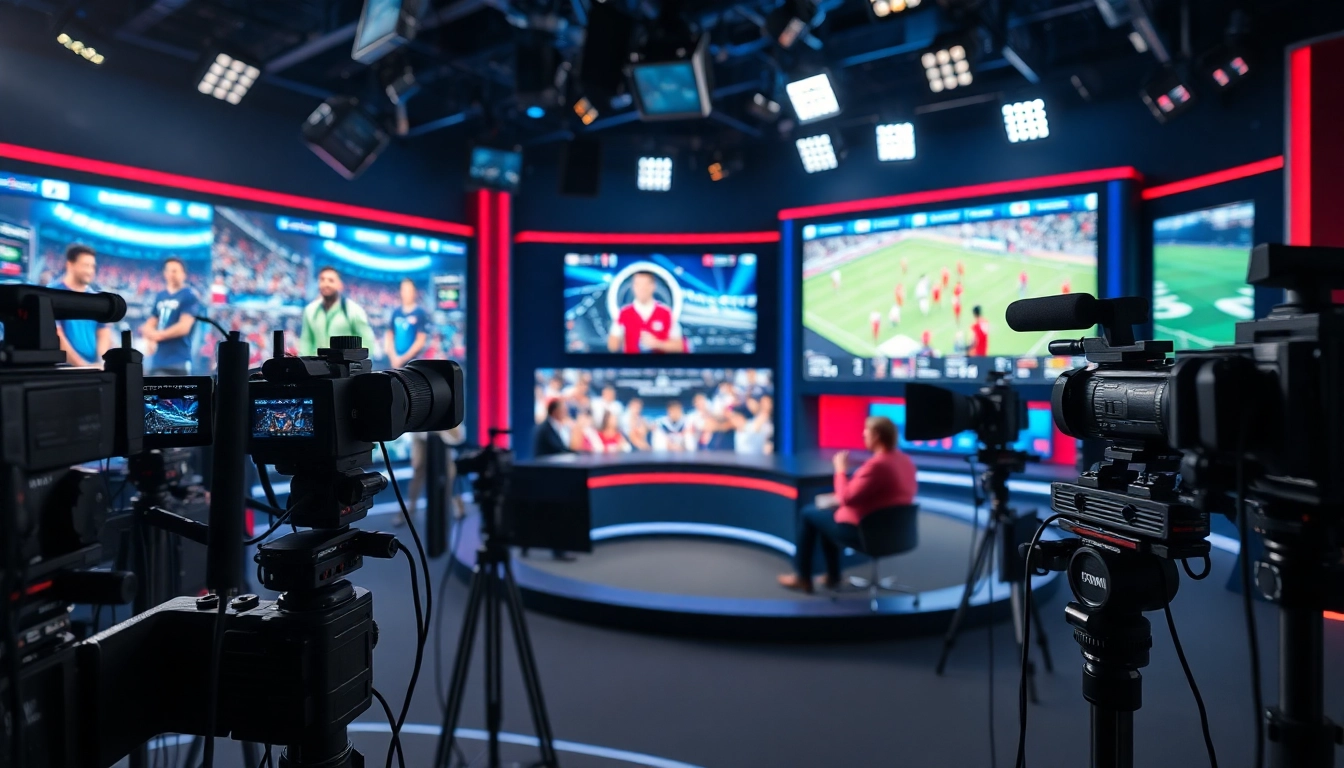
Understanding the Landscape of Sports Broadcasting
Sports broadcasting is more than just a means of communicating scores and highlights; it's an evolving landscape that has adapted to technological advancements and changing audience expectations. The modern sports broadcasting ecosystem involves various platforms and mediums, including television, radio, and digital streams. To navigate this complex terrain, understanding its evolution, current trends, and the importance of audience engagement is crucial. For those interested in diving deeper into Sports Broadcasting, this article will provide invaluable insights.
The Evolution of Sports Broadcasting
From the first radio broadcasts in the 1920s to today’s live-streamed events and instant replays, sports broadcasting has undergone a significant transformation. Initially, the approach was simple: games were reported via radio waves, offering fans a way to follow their favorite teams without being present at the venue. As technology advanced, so did the modes of broadcasting. The advent of television in the mid-20th century revolutionized the field, allowing fans to experience games in their living rooms.
By the late 20th century, cable networks emerged, providing numerous dedicated sports channels that could cater to niche audiences. The internet further broadened the spectrum, bringing forth the world of live streaming, where audiences accessed sports content on demand. Modern broadcasting now involves high-definition video, multiple camera angles, augmented reality, and interactive elements that enhance viewer engagement.
Current Trends in Sports Broadcasting
The current landscape of sports broadcasting is defined by a few key trends that are reshaping how content is delivered and consumed:
- Streaming Services Dominance: The rise of platforms like ESPN+, Amazon Prime Video, and others signal a shift away from traditional cable subscriptions. These platforms offer tailored experiences and on-demand content.
- Social Media Engagement: Networks are increasingly using social media to engage fans, facilitating real-time interaction and feedback. Platforms like Twitter and Instagram serve as extensions of broadcasting, allowing for discussions and highlights to reach wider audiences.
- Enhanced Analytics: Data analytics are becoming integral for improving audience understanding. Metrics such as viewer engagement and interaction are used to tailor future broadcasts effectively.
- Virtual and Augmented Reality: Immersive technologies now enrich the viewing experience, providing fans with the feeling of being part of the action, even from their homes.
The Importance of Audience Engagement
In today's fragmented media landscape, audience engagement is more critical than ever. Broadcasting isn't merely about dishing out content; it’s about fostering a community. Engaging loyal viewers can lead to higher ratings, more advertisement revenue, and a more dedicated fan base. Strategies like interactive polls during broadcasts or post-game discussions on social media platforms create a sense of belonging among fans.
Moreover, understanding who the audience is— their preferences, habits, and demographics— allows broadcasters to curate content that resonates with them. Audience engagement metrics can be essential in reshaping formats, introducing new segments, and improving overall storytelling.
Essential Skills for Aspiring Sports Broadcasters
For those looking to make a mark in sports broadcasting, honing certain essential skills is crucial. The industry is competitive, and having a diverse skill set can differentiate aspirants from the rest.
Communication and Presentation Skills
Effective communication is the cornerstone of any successful broadcaster. This encompasses not only verbal communication but also non-verbal cues. Aspiring broadcasters must develop a clear, engaging speaking style to captivate their audience while presenting complex information in an easily digestible format.
Presentation skills must also be fine-tuned; this involves mastering body language, eye contact, and even virtual presence, especially in today’s live-streaming world. Whether on camera or speaking live, engaging directly with the audience fosters a connection that enhances overall viewership.
Research and Preparation Techniques
Knowledge is power in sports broadcasting. Before a live broadcast, thorough research is fundamental. This includes understanding the teams, players, and key statistics. Preparation can make the difference between a mediocre broadcast and an excellent experience for the viewers. Use primary sources to gather information, stay current with news, conduct interviews, and watch previous matches for context.
Creating a detailed outline for each broadcast and practicing it will lead to a smoother and more professional delivery. Broadcasters who prepare thoroughly can anticipate audience questions and provide insights that elevate the viewing experience.
Technical Proficiency in Broadcasting
As technology evolves, so too must the skills of sports broadcasters. Familiarity with audio and video equipment, live broadcasting tools, and software for editing and production is essential. Understanding the technical aspects helps broadcasters communicate more effectively with production teams and ensures they can troubleshoot issues if they arise during a live broadcast.
Moreover, knowledge of digital templates for graphics, sound engineering, and video editing gives an aspiring broadcaster a competitive edge. These technical skills can greatly enhance the quality and professionalism of each broadcast they conduct.
Leveraging Technology in Sports Broadcasting
Broadcasters today must leverage technology creatively to optimize their broadcasts and maximize viewer reach. The understanding and incorporation of advanced tech have the potential to transform viewer experiences.
The Role of Social Media
Social media platforms have revolutionized audience interaction in the sports realm. Broadcasters can share highlights, engage in conversations, and promote their shows effectively. Live tweet options during matches allow real-time engagement and increase visibility while creating a communal experience among fans.
Adding social media integrations during broadcasts, such as displaying fan comments or questions, can also enhance viewer loyalty. As social media algorithms prioritize real-time engagement, utilizing these platforms proficiently can attract larger audiences.
Equipment Needed for Quality Broadcasting
Investing in quality equipment is paramount for any serious sports broadcaster. Essential tools include high-definition cameras, reliable microphones, sound mixers, and video editing software. A strong internet connection is critical for uninterrupted streaming and for delivering quality content across multiple platforms.
Up-to-date broadcasting hardware allows for seamless transitions, creating a professional output that appeals to viewers. Understanding the nuances of this equipment is important for any broadcaster aiming to ensure their content stands out.
Innovations Shaping the Future of Broadcasting
The future of sports broadcasting is dynamic, driven by constant technological innovations. Artificial intelligence (AI) and machine learning are paving the way for advancements in personalized content delivery and improved analytics. AI-driven chatbots, for example, can answer fan inquiries in real time.
Furthermore, innovations like 5G technology promise to revolutionize live sports coverage, offering high-speed data transmission and reducing latency. These technologies will enable more complex live broadcasts and allow for innovative viewer experiences.
Sports Broadcasting Ethics and Standards
With the significant influence sports broadcasters hold, adhering to ethical standards becomes paramount. The responsibility to provide accurate and fair coverage falls heavily on their shoulders.
Maintaining Objectivity and Impartiality
One key ethic in sports broadcasting is maintaining objectivity. Personal biases should never cloud coverage, as they can alienate parts of the audience. Being transparent about opinions versus facts is crucial to maintaining credibility.
Broadcasters should strive for balanced storytelling, giving equal weight to different teams and athletes. This impartiality not only builds trust with viewers but also enhances overall industry integrity.
Addressing Controversies in Sports Media
Controversies surrounding players, teams, and events are integral to sports. Broadcasters must navigate these topics carefully and respectfully, presenting facts while acknowledging different perspectives. This requires sensitivity and wisdom.
During contentious events, broadcasters should focus on constructive dialogue and not sensationalism. Maintaining professionalism preserves audience respect and assures credibility in the long run.
Understanding Copyright and Fair Use
In an era where content is easily replicated, understanding copyright and fair use is essential for sports broadcasters. This includes having a firm grasp on the legality concerning the use of logos, highlights, and other proprietary content.
Broadcasters must ensure compliance with licensing agreements and negotiate rights for the content they plan to air. Negligence can lead to legal issues that impact reputations and financial stability.
Analyzing Performance Metrics in Sports Broadcasting
Evaluating performance in sports broadcasting hinges on accurate metrics and viewer feedback. Understanding how to measure success is vital for continuous improvement.
How to Measure Audience Ratings
Audience ratings provide a quantitative way to gauge broadcast success. Measurement tools, including Nielsen ratings, help broadcasters understand viewer numbers, demographics, and behaviors. Understanding these metrics leads to better-informed programming decisions.
Being mindful of peak viewing times, platforms most used, and viewer drop-off points allows broadcasters to adapt their content and schedules to maximize engagement.
The Importance of Feedback in Broadcasting
Soliciting viewer feedback creates a two-way relationship between broadcasters and their audience. Online surveys, comment sections, and social media interactions serve as rich sources of feedback that can be used to refine and enhance the viewing experience.
Incorporating this feedback into programming strategies can improve satisfaction levels among viewers and help businesses understand market trends, leading to more strategic content positioning.
Case Studies of Successful Sports Broadcasts
Analyzing successful sports broadcasts can illuminate effective strategies and provide insight into audience engagement. Case studies reveal how particular innovations or adjustments led to increased ratings or viewer retention.
For instance, examining broadcasts that utilized unique commentary styles, fan engagement tactics, or high-quality production values can provide actionable insights. Learning from successes in the industry can inform future practices and inspire innovation.
Frequently Asked Questions
What skills are essential for a sports broadcaster?
Essential skills for a sports broadcaster include strong communication abilities, technical proficiency with broadcasting equipment, and the capacity for thorough research and preparation.
How has technology changed sports broadcasting?
Technology has revolutionized sports broadcasting through enhanced viewing experiences with live streaming, interactive social media engagement, and advanced analytics for audience measurement.
What role does audience engagement play in broadcasting?
Audience engagement is crucial for retaining viewer loyalty, increasing ratings, and creating a community around sports content in a highly competitive broadcasting environment.
Why is ethical reporting important in sports media?
Ethical reporting is vital to maintain credibility, ensure balanced coverage, and uphold the integrity of the broadcasting industry to foster trust with viewers.
How do broadcasters measure success?
Broadcasters measure success through audience ratings, viewer feedback, engagement metrics, and analyzing case studies of previous broadcasts for insights and improvement.