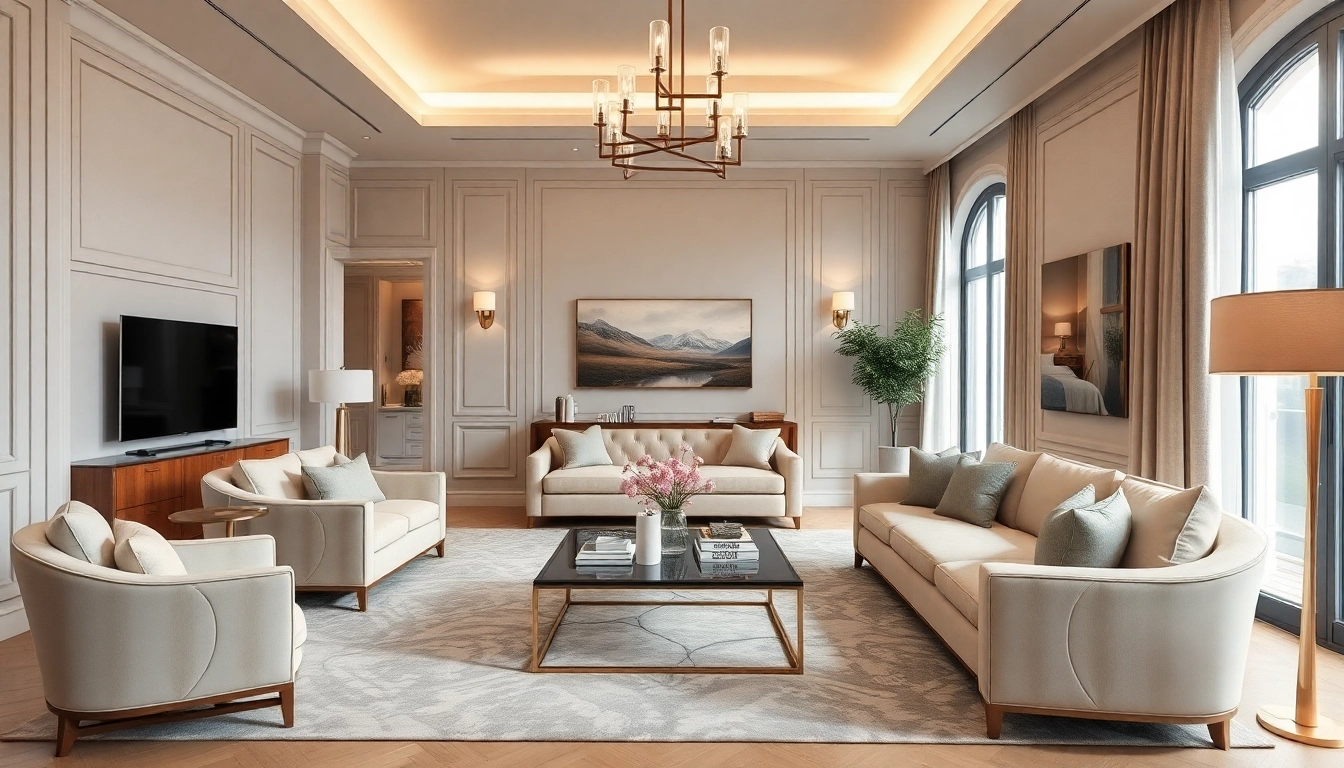
Understanding the Concept of Luxury
Luxury is a multifaceted term that encompasses various meanings, from economic definitions to emotional experiences. In essence, luxury signifies a state of living characterized by indulgence and opulence, often reserved for those with considerable disposable income. The intricacies of luxury delve into deeper territories of human psychology and social stratification, making it a rich field for exploration.
The Economic Perspective on Luxury
From an economic standpoint, a luxury good is defined as a product or service for which demand increases disproportionately as consumer incomes rise. This means that as people earn more money, they spend a greater percentage of their income on luxury items compared to basic necessities. Luxury goods are often distinguished by their high quality, brand reputation, and exclusivity. Examples range from high-end fashion items to fine dining experiences and exquisite travel destinations.
According to the theory of economic luxury goods, the perceived value increases relative to the income increase. For instance, a person earning $50,000 may allocate 10% of their income on luxury items, while someone earning $200,000 might allocate 25% of theirs, illustrating the non-linear relationship between luxury spending and income.
The Psychological Aspects of Luxury
Psychologically, luxury is intertwined with human desire and self-identity. Owning and consuming luxury items can significantly influence an individual's self-esteem and social status. Luxury brands strategically craft narratives around their products to evoke feelings of exclusivity and belonging among consumers. Studies reveal that individuals often invest in luxury goods as a means of personal expression and affirmation of their social position.
Furthermore, luxury serves as a form of escapism, allowing individuals to experience pleasure beyond their daily realities. This emotional connection with luxury consumption is so potent that it can often overshadow practical considerations of need or affordability.
Luxury and Social Status
Luxury items have long been associated with social status and class distinction. The ownership of luxury goods often signals wealth and success, reinforcing societal hierarchies. This phenomenon, known as "conspicuous consumption," was famously identified by sociologist Thorstein Veblen in the late 19th century. For many, owning a luxury car, designer clothing, or fine jewelry is not just about the item itself, but also about the image it projects.
As societal values evolve, the definitions of what constitutes luxury become fluid. In contemporary society, consumers are more inclined to seek experiences over possessions. Luxury travel, gourmet dining, and bespoke services are now considered more valuable, indicating a shift in how people define and pursue luxury.
Luxury Goods Defined
Characteristics of Luxury Goods
Luxury goods possess distinct characteristics which set them apart from regular products. Key features often include:
- Exclusivity: Luxury goods are typically produced in limited quantities, raising their appeal among consumers seeking uniqueness.
- Quality: Premium materials and craftsmanship define luxury goods, promising durability and aesthetic superiority.
- Brand Heritage: Established luxury brands often have rich histories that add to their allure, providing a sense of tradition and prestige.
- Emotional Connect: Luxury brands foster emotional ties with consumers, facilitating brand loyalty through lifestyle association and narratives.
Examples of Popular Luxury Items
Some exemplary categories of luxury items include:
- Fashion Accessories: Items such as high-end handbags, designer shoes, and exquisite jewelry.
- Vehicles: Brands like Rolls Royce and Ferrari epitomize luxury automobiles, not just in terms of performance but also in style and exclusivity.
- Watches: Brands like Rolex and Patek Philippe offer timepieces that symbolize status and elegance.
- Travel Experiences: Luxury vacations and private jet experiences provide exclusive access to stunning locales and bespoke services in hospitality.
Luxury vs. Necessity: A Fine Line
Understanding the fine line between luxury and necessity involves recognizing the shifting perceptions of consumer needs. While basic necessities such as food, clothing, and shelter are essential for survival, luxury items are often viewed as superfluous—yet their importance in individual lives cannot be overlooked.
For many, luxury items fulfil a deeper psychological need for validation and self-worth, demonstrating that the line between luxury and necessity can often blur. The dichotomy creates a demand for understanding consumer motivations beyond mere survival, often leading to marketing strategies that entice individuals to view luxury as a "necessary" indulgence in modern living.
Trends in the Luxury Market
Shifts in Consumer Preferences
Over recent years, the luxury market has witnessed significant shifts in consumer preferences, influenced by the rise of digital technology and evolving cultural values. Millennials and Gen Z consumers, in particular, value authenticity, sustainability, and social responsibility more than previous generations.
Today's luxury shoppers prioritize brands that reflect their personal values, seeking transparency and ethical production practices. This trend has seen luxury brands adapt their marketing strategies to resonate with eco-conscious consumers, emphasizing sustainable materials and fair labor practices.
Sustainability in Luxury Brands
Sustainability has emerged as a defining characteristic of luxury brands in the 21st century. As consumers become increasingly aware of environmental issues, many luxury companies have started to prioritize sustainable practices in their production and supply chains. Brands such as Stella McCartney and Gucci have taken significant steps toward implementing eco-friendly practices, setting a standard that others are now following.
From sourcing sustainable materials to reducing waste and supporting ethical labor, the impact of sustainability on luxury is profound. This trend not only aligns with consumer values but also enhances brand loyalty among environmentally conscious customers.
Emerging Markets for Luxury Goods
As economic growth continues in developing regions, emerging markets present new opportunities for luxury brands. Countries such as China and India have shown substantial growth in demand for luxury goods, driven by a burgeoning middle class with increasing disposable income.
Luxury brands are adapting their strategies to cater to these new markets, often marketing experiences that resonate with local cultures while retaining their global appeal. Understanding the unique preferences of these consumers is essential for luxury brands aiming to establish a foothold in emerging economies.
Marketing Strategies for Luxury Brands
The Role of Online Presence
In the digital age, maintaining a strong online presence is crucial for luxury brands. Consumers increasingly rely on online research to inform their purchasing decisions, and luxury brands must leverage digital platforms to convey their brand narrative effectively.
Brands are finding success in utilizing social media marketing, influencer partnerships, and experiential marketing to engage potential customers. Creating visually appealing content that resonates with consumers while portraying an aspirational lifestyle is integral to building a compelling online presence.
Luxury Brand Collaborations
Collaborations between luxury brands and acclaimed designers or celebrities offer unique opportunities to tap into new audiences and create buzz. By merging brand identities, these collaborations can yield limited-edition collections, attracting devoted followers while enhancing exclusivity.
Successful collaborations are often aligned with brand values, allowing both parties to create authentic products that resonate with their target demographics. Brands must carefully select collaboration partners to ensure the partnership enhances brand equity and appeals to their loyal customer base.
Building an Exclusive Brand Experience
Creating an exclusive brand experience is paramount for luxury brands aiming to differentiate themselves in a crowded market. Brands often focus on developing personalized customer experiences, offering bespoke services, and providing exceptional customer service to foster loyalty.
This can include personalized shopping experiences, private events for high-net-worth individuals, and customer engagement through loyalty programs that reward exclusivity. The goal is to cultivate a community around the brand where consumers feel valued and privileged, enhancing emotional connections that go beyond transactional relationships.
The Future of Luxury
Innovation and Technology in Luxury
The future of luxury will undoubtedly intertwine with technological advancements. Brands are increasingly adopting digital innovations, from augmented reality (AR) experiences for virtual try-ons to artificial intelligence (AI) for personalized marketing. These technologies not only enhance consumer engagement but also redefine how luxury brands connect with their audiences.
Furthermore, blockchain technology is gaining traction, particularly in luxury goods authentication to combat counterfeit products. As technology continues to evolve, luxury brands must remain agile and adaptive to capitalize on emerging trends that improve the customer journey.
Consumer Expectations: The New Luxury
Modern consumers now have heightened expectations when it comes to their luxury experiences. The notion of luxury has evolved from simply possessing high-end goods to expecting exceptional service and unique experiences.
Consumers are increasingly looking for brands that offer a narrative, emotional connection, and cultural relevance in their luxury engagements. Brands must be proactive in managing these evolving expectations, ensuring that they not only meet but exceed consumer demands in every interaction.
Challenges Facing the Luxury Industry
The luxury industry faces numerous challenges as it navigates a rapidly changing landscape. Counterfeit goods remain a persistent issue that undermines brand integrity and consumer trust. Additionally, the rise of digital commerce has disrupted traditional retail models, compelling luxury brands to rethink store strategies while enhancing their online platforms.
Moreover, the ongoing need for sustainability and transparency presents significant hurdles for luxury brands aiming to balance profitability with ethical practices. Addressing these challenges while remaining true to their heritage and brand values will be crucial for surviving and thriving in the future of luxury.